
Why Safety Is Essential for Arborist Operations
Tree cutting is more than just trimming branches. It involves handling heavy equipment and working at significant heights, which can be dangerous without proper precautions. Understanding the importance of safety measures in these operations can prevent accidents and ensure the well-being of workers and clients alike. This article will explore why safety is crucial in these services, discuss common challenges, provide solutions and best practices, and highlight industry standards that help maintain safe environments.
Benefits of Implementing Safety Protocols
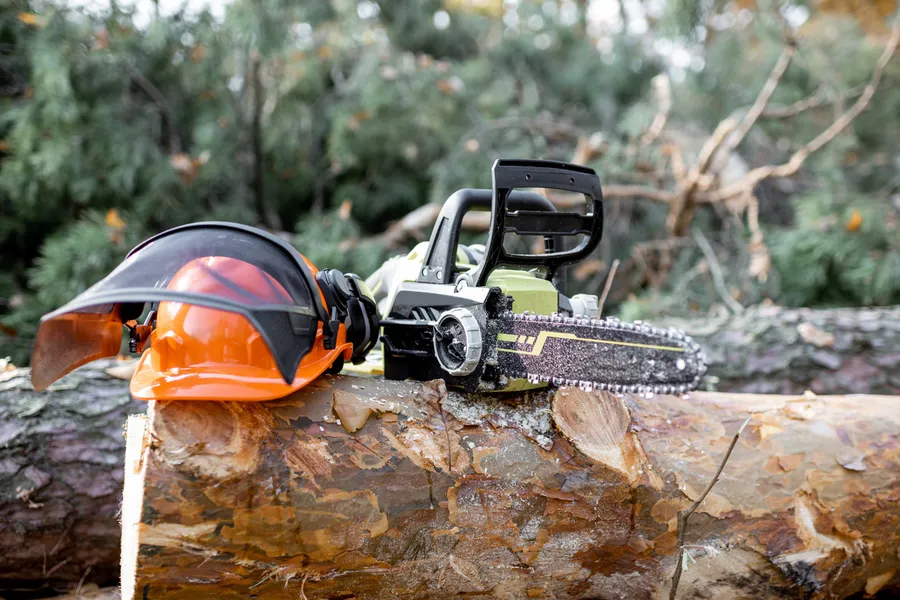
Adopting robust safety protocols offers numerous benefits. Firstly, it minimizes the risk of injuries to workers and property damage. By ensuring that every tree cutting service follows established guidelines, you create a safer work environment. Secondly, implementing safety measures improves efficiency as workers are better prepared and equipped to handle their tasks. Lastly, a focus on safety enhances client trust and satisfaction, leading to repeat business and positive referrals.
Common Challenges in Maintaining Safety
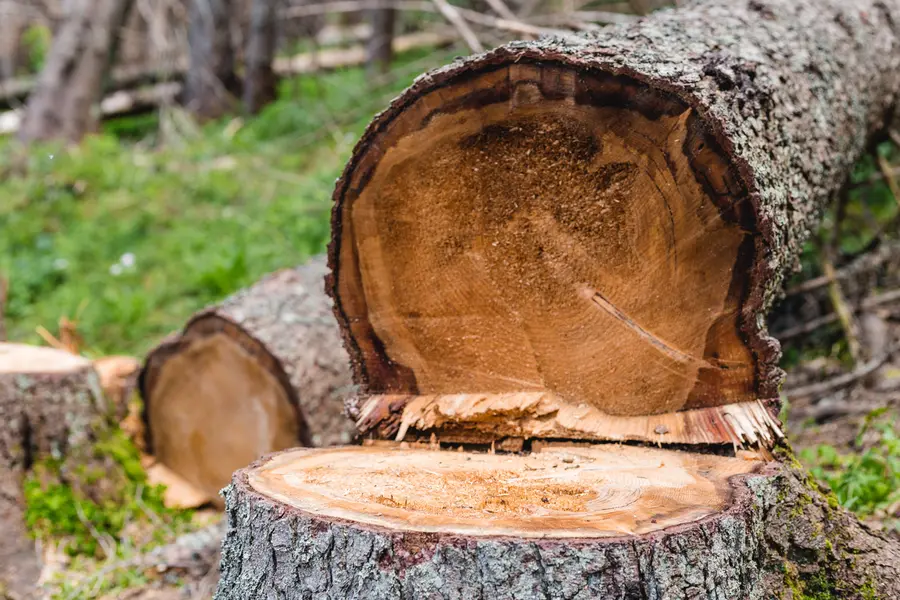
Despite their importance, maintaining safety protocols in arborist operations can be challenging. Common issues include lack of training, inadequate equipment maintenance, and failure to assess job site risks properly. These challenges often lead to accidents, resulting in costly repairs and potential legal liabilities for the service provider. Addressing these problems promptly is essential to ensuring a smooth and safe operation.
Solutions to Overcome Safety Challenges
Tackling safety challenges requires a proactive approach. Here are some effective strategies:
- Ensure all workers undergo comprehensive training programs tailored to their roles.
- Regularly inspect and maintain equipment to guarantee optimal performance.
- Conduct thorough risk assessments before starting any task.
- Encourage open communication among team members about potential hazards.
By adopting these solutions, companies offering tree cutting service can significantly reduce safety risks.
Best Practices for Safe Tree Operations
To enhance safety during tree cutting activities, consider these best practices:
- Use appropriate personal protective equipment (PPE) such as helmets, gloves, and eye protection.
- Utilize harnesses and ropes when working at heights to prevent falls.
- Keep a safe distance from falling branches and use spotters if necessary.
- Ensure clear communication through signals or radios among crew members.
These steps help create a safer environment for both workers and clients.
Compliance With Industry Standards
Following industry standards is vital for maintaining safety in arborist operations. Regulations like OSHA guidelines set minimum requirements for workplace safety. Compliance ensures that tree cutting services adhere to legally mandated safety measures, reducing liability risks. Staying updated with changes in these standards is crucial for businesses aiming to maintain high levels of safety and professionalism.
Cost Considerations Related to Safety
Investing in safety might seem costly initially but offers long-term savings by avoiding accidents and lawsuits. Costs typically include purchasing quality PPE, conducting regular equipment checks, and training employees. However, the return on investment manifests in reduced medical expenses, lower insurance premiums, and enhanced employee morale. Prioritizing safety is not only ethically right but also financially prudent for any tree-cutting company.
Taking Action for A Safer Future
Prioritizing safety measures in tree-cutting operations is essential for protecting lives and properties. Incorporating adequate training programs, adhering to industry standards, and consistently evaluating job sites contribute to achieving this goal. To learn more about how your business can improve its safety protocols in Kent, WA, reach out to Yardas Los Pelayos at (253) 484-8881. Together, we can create a safer working environment for everyone involved in tree operations.